
Traditional Uzbekistan clothing
The diversity of traditional clothing among local peoples has long been shaped by climatic conditions, social structures, and tribal traditions. As early as the nineteenth century, garments such as robes, dresses, and shirts preserved many archaic features. These clothes were typically wide, long, and cut in a single piece, allowing them to fall loosely over the body and conceal its shape. Clothing styles were largely unified: winter and summer garments, as well as those worn by men, women, and children, were similar in form and design.
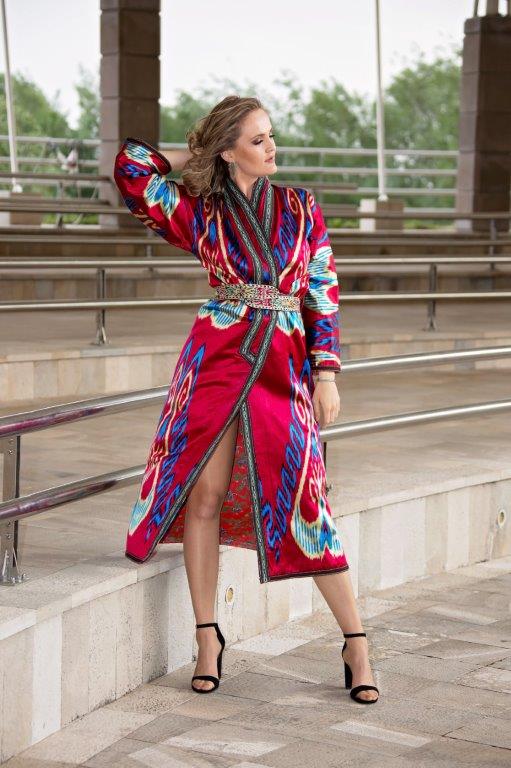
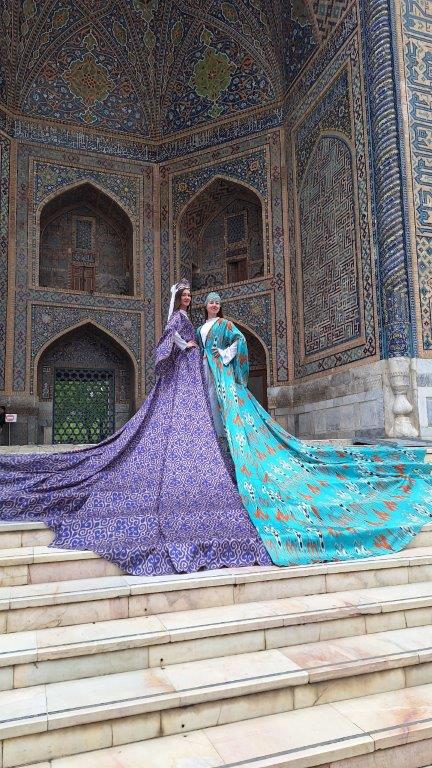
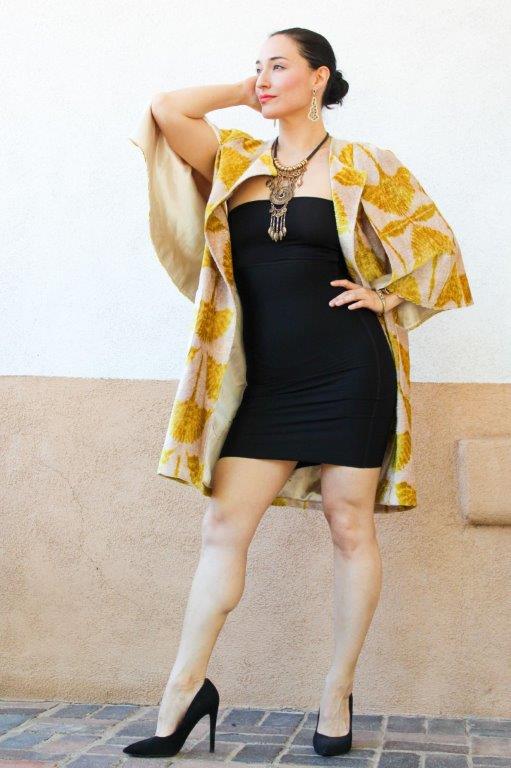
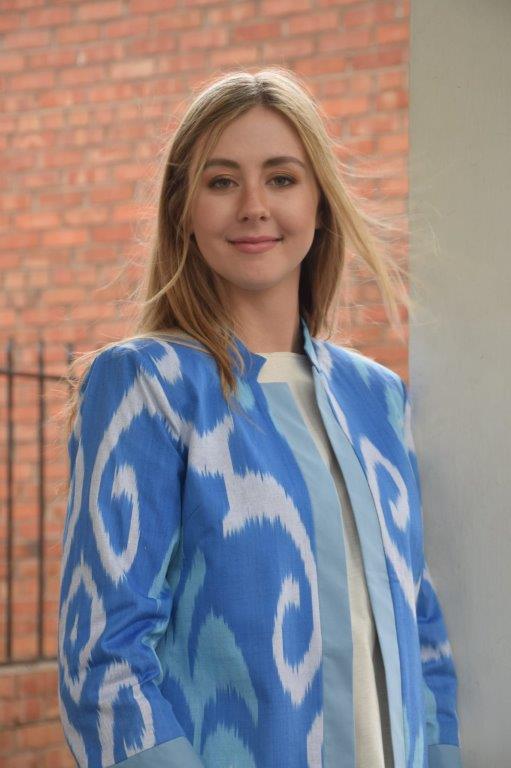
The traditional women’s costume, inspired by Uzbekistan, consists of a robe, a simply cut dress made from khan-atlas fabric, and lightweight trousers worn underneath. Women’s headwear traditionally included three main elements: a cap, a scarf, and a turban. Festive attire differed from everyday clothing through the use of finer materials and more decorative, elaborate fabrics.
Historical Background
Uzbekistan is a country with a rich and diverse cultural heritage, and its traditional clothing reflects centuries of artistic expression and craftsmanship. For those unfamiliar with the region, Uzbek national dress provides valuable insight into the country’s customs, values, and identity.
Women’s Traditional Clothing Inspired by Uzbekistan
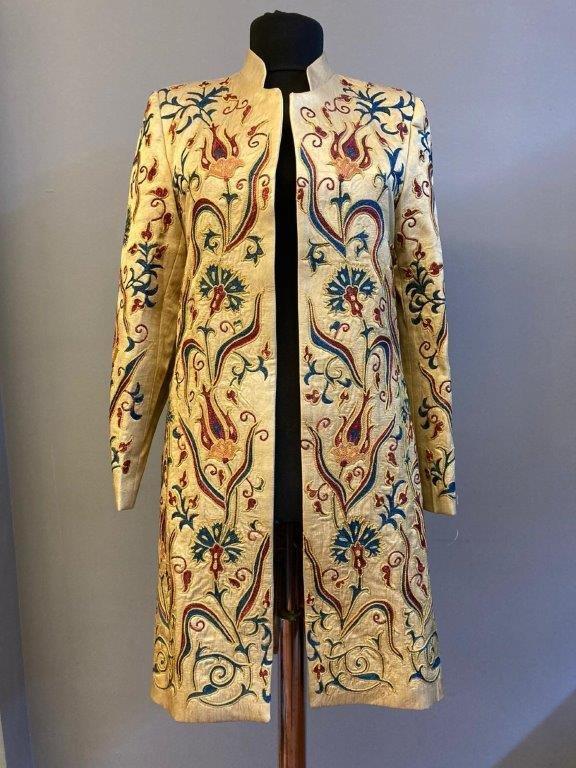
Traditional Uzbek women’s clothing is distinguished by vibrant colors and intricate patterns, often crafted from silk or cotton. The most iconic garment is the khan-atlas dress — a flowing silk outfit known for its shimmering, iridescent designs. It is commonly worn during celebrations, weddings, and important social events. On special occasions, satin fabrics embroidered with gold thread are also worn, symbolizing joy, prosperity, and festivity.
Another traditional garment is the paranja, a long outer robe that was historically worn in public spaces. The Central Asian paranja carried regional and social information: it was quite possible to determine the age, social status and provenance of the woman by the colour and quality of the fabric. Today, the paranja is rarely used in everyday life and has become primarily a cultural and historical symbol.

Modern Influences
In contemporary Uzbekistan, traditional clothing is no longer worn on a daily basis, particularly in urban areas. However, it remains an essential part of the nation’s cultural identity. Many people wear traditional garments during festivals, weddings, religious events, and national holidays as a way of honoring their heritage.
The tubeteika, a traditional embroidered skullcap, illustrates this continuity. While simple versions may be worn casually, more richly decorated tubeteikas are reserved for special occasions. Each region of Uzbekistan has its own distinctive style, with variations in shape, height, and embroidery patterns. The embroidery schools of the Ferghana Valley, Tashkent, Kashkadarya–Surkhandarya, Samarkand, Bukhara, and Khorezm–Karakalpak regions highlight the country’s remarkable diversity within a shared cultural tradition.
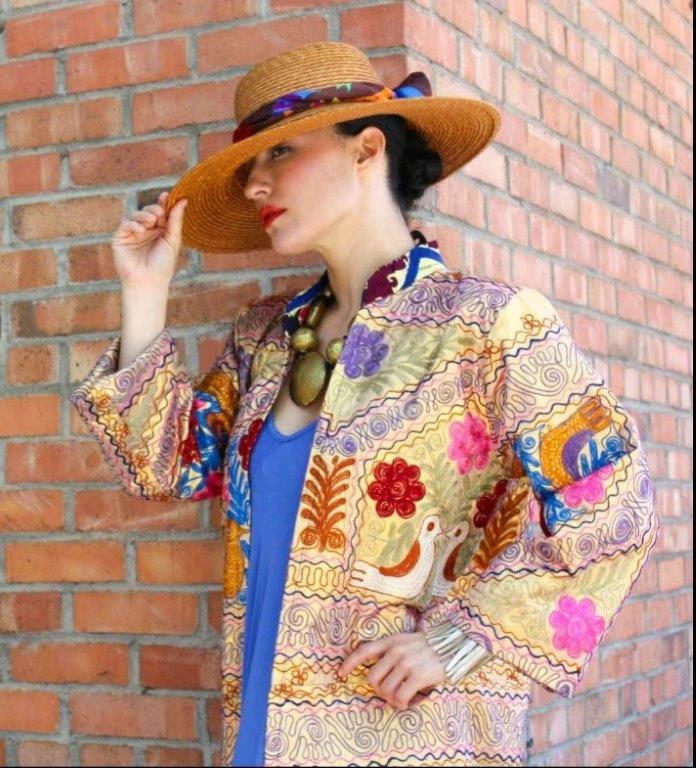
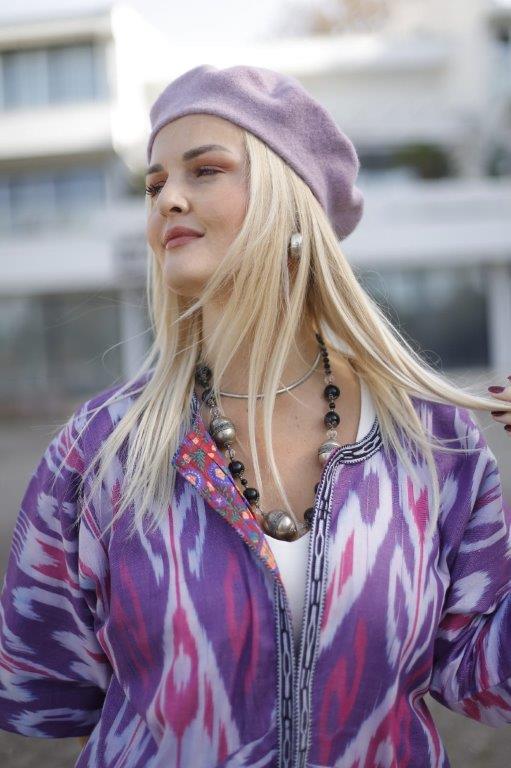
In recent years, there has been a renewed interest in traditional Uzbek attire. Contemporary designers increasingly incorporate traditional patterns, fabrics, and techniques into modern fashion. This fusion of old and new has helped preserve Uzbekistan’s textile heritage while promoting it on the international stage.
You can find a rich collection of Uzbek clothing and bags at Nureteka.