
Let’s step back in time into the world of leather and leather bags.
Origins: Leather in Prehistoric Times
The use of leather dates back to prehistoric times, when early humans discovered the benefits of dried animal hides. These were used for clothing and shelter, offering protection against harsh environments.
Over time, early societies began developing techniques to soften and preserve hides, passing down this knowledge through generations. Leather quickly evolved from a simple by-product into a valued material, appreciated for its durability and versatility.
Ancient Civilizations: Symbols of Power
From the Pharaohs of ancient Egypt to the Emperors of Rome, leather bags have long symbolized power, prestige, and refined taste. Crafted from rare and precious hides, these pieces were often handmade for the elite. They were sometimes adorned with gemstones or cultural motifs, transforming them into true status symbols.
Renaissance Elegance and Artistic Influence
During the Renaissance, leather craftsmanship reached new heights. Bags became more intricate and increasingly personalised, reflecting the identity and taste of their owners. This era marked a turning point — leather bags were no longer purely functional but became expressions of style. Artists such as Leonardo da Vinci and Botticelli even depicted leather bags in their works, reinforcing the cultural significance of leather.
Leather Beyond Fashion: A Literary Legacy
Leather has also played a key role in bookbinding, particularly during the Victorian era. Classic works by authors like Charles Dickens and Oscar Wilde were often bound in finely crafted leather editions. Today, these pieces are treasured collectibles, with first editions reaching impressive values at auction.
The Rise of Modern Popularity
In the 1930s and 1940s, Hollywood played a major role in popularizing leather bags. Film stars began showcasing handbags as essential elements of their style, inspiring audiences worldwide. Fashion magazines and newspapers amplified this trend, leading to a growing desire for elegant leather accessories.
The Leather Bag Today
In the late 20th century, luxury houses elevated leather bags even further. Brands such as Prada, Dior, and Fendi introduced innovative designs while maintaining leather as a core material.
Today, leather bags strike a balance between functionality and style. Whether it’s a structured tote for work or a relaxed backpack for everyday use, they remain essential pieces in modern wardrobes.
Travel and Timeless Luxury
The rise of travel in the early 20th century reinforced the importance of leather luggage and handbags. Iconic maisons like Louis Vuitton, Gucci, and Hermès built their legacy during this time, becoming synonymous with craftsmanship and sophistication.
Today, leather bags continue to represent elegance, status, and enduring quality.
Choosing the Right Bag Color
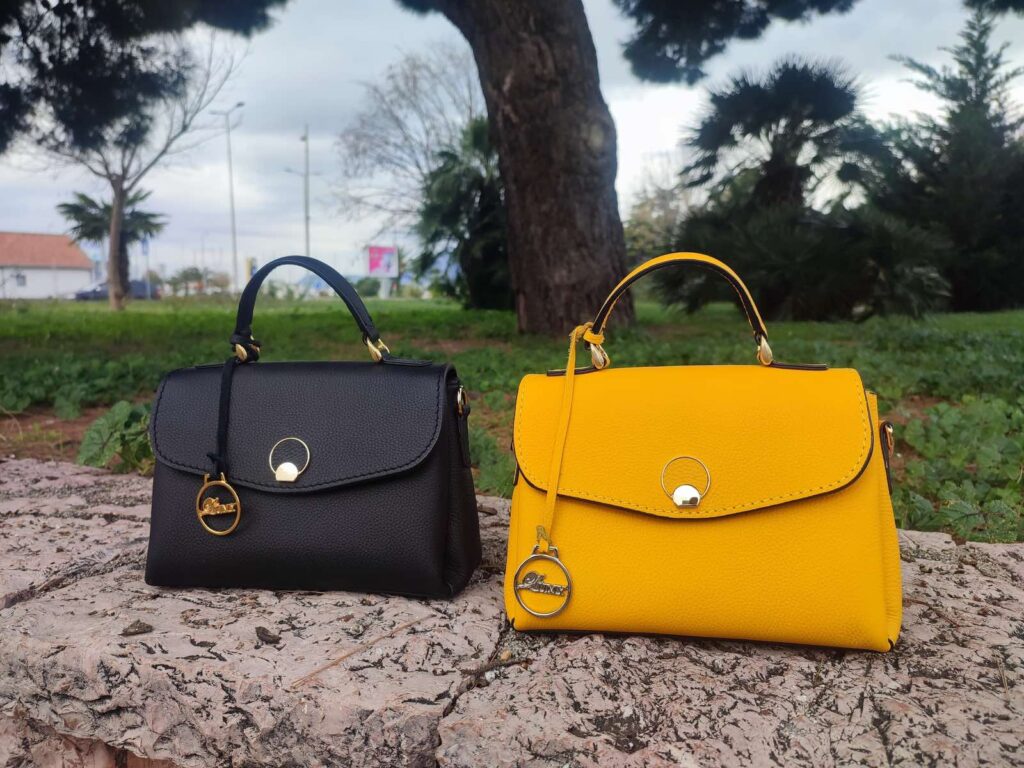
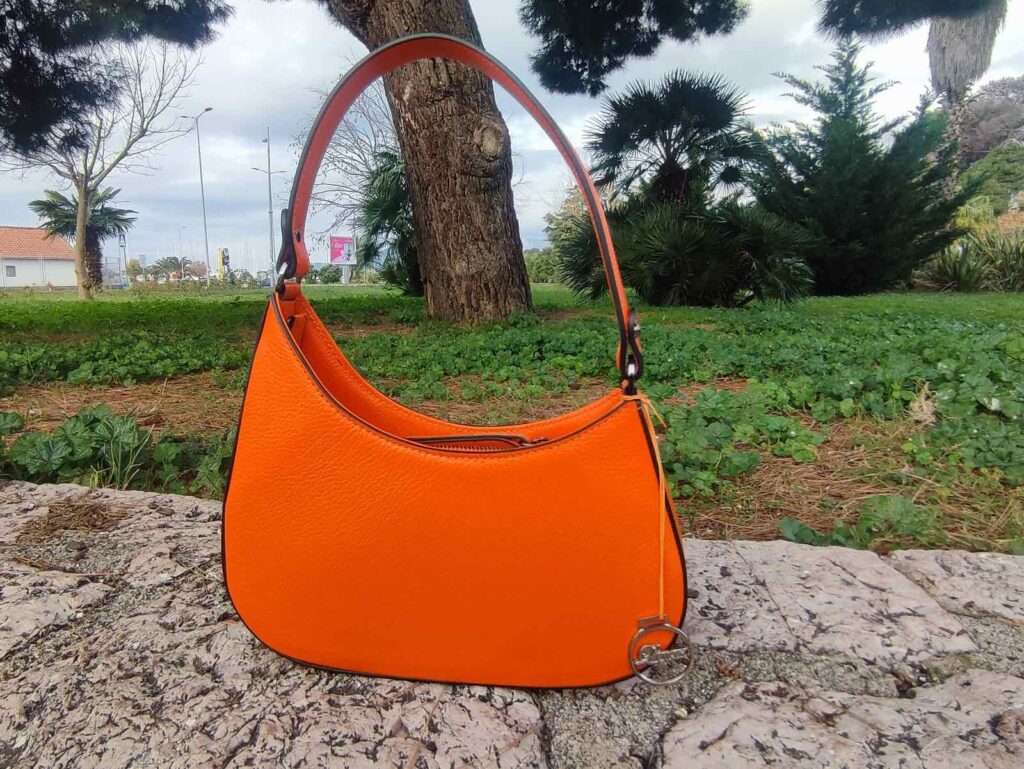
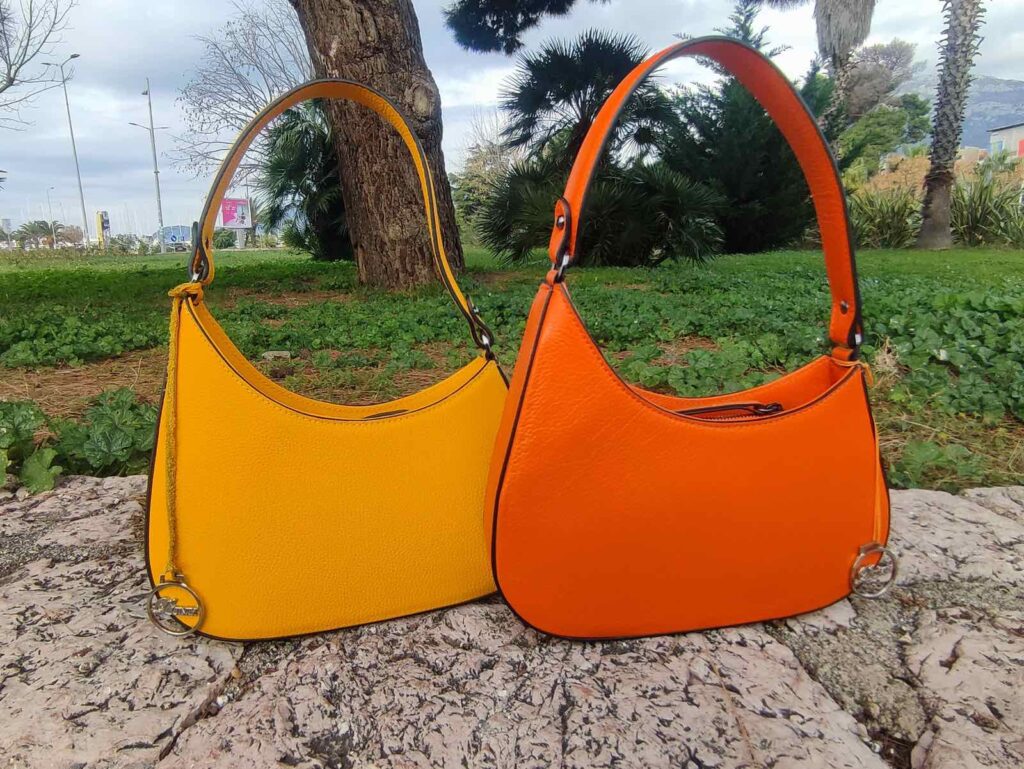
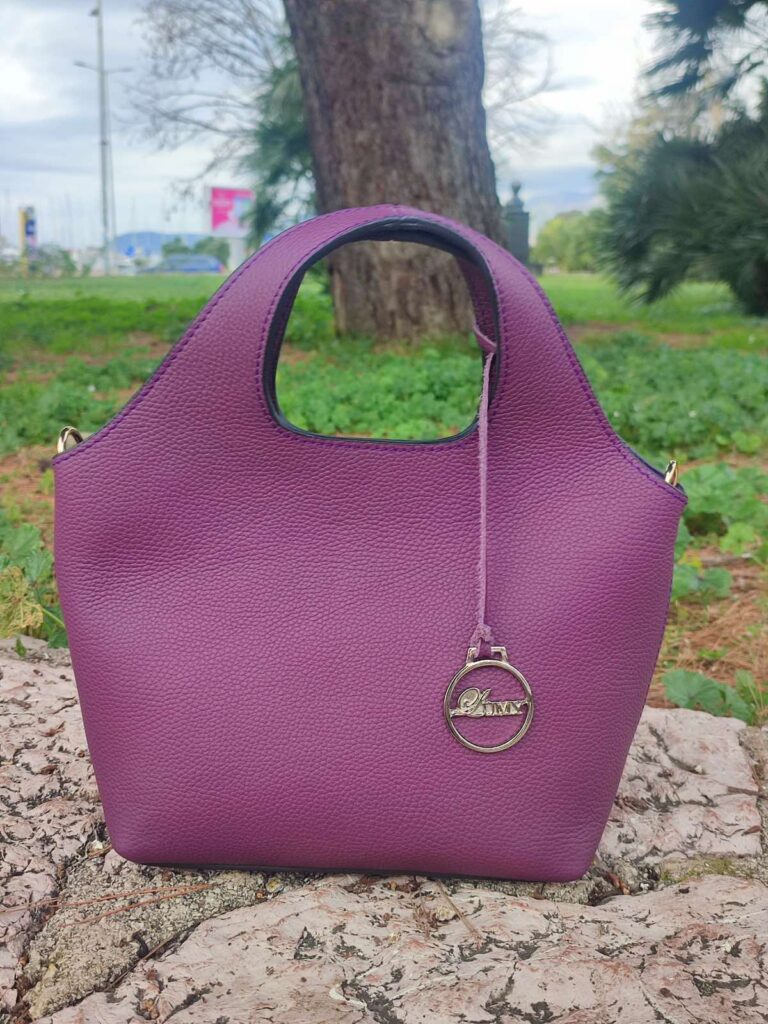
Finding the perfect bag is an important part of defining your personal style. While neutral tones like black, beige, or brown are often seen as safe choices, the truth is simpler:
the best bag is the one that feels right to you.
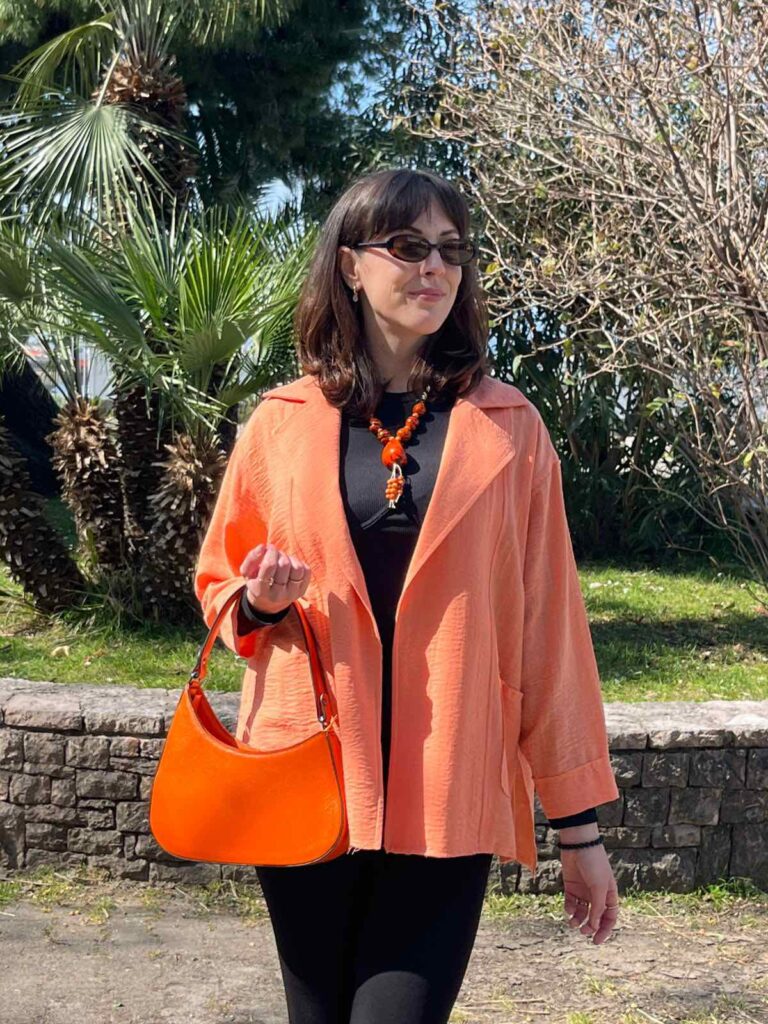
Don’t hesitate to explore colors, experiment, and express your individuality.
Conclusion
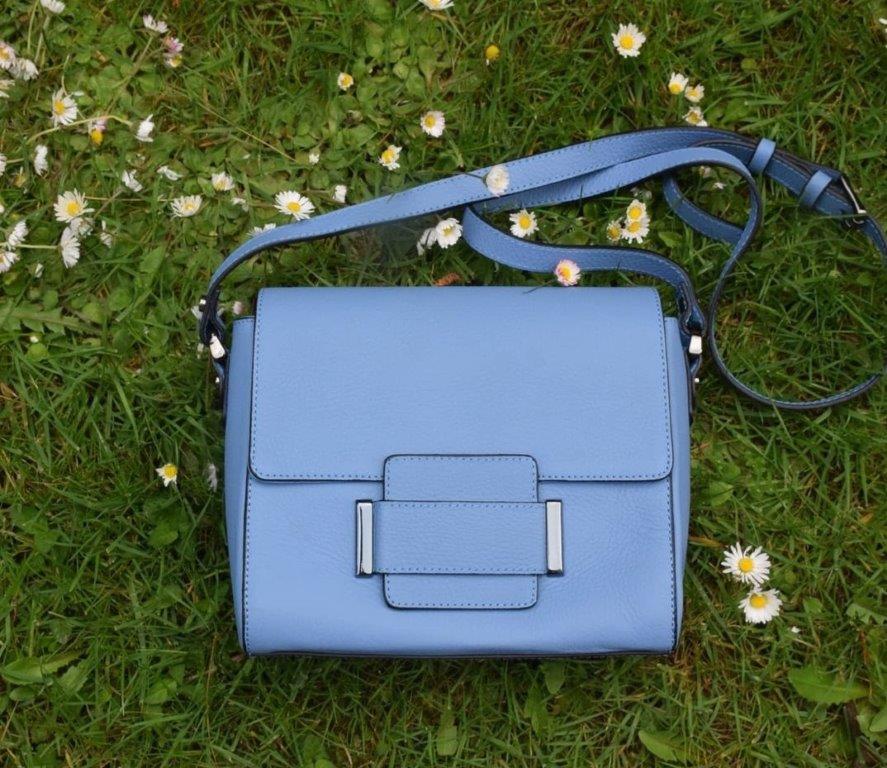
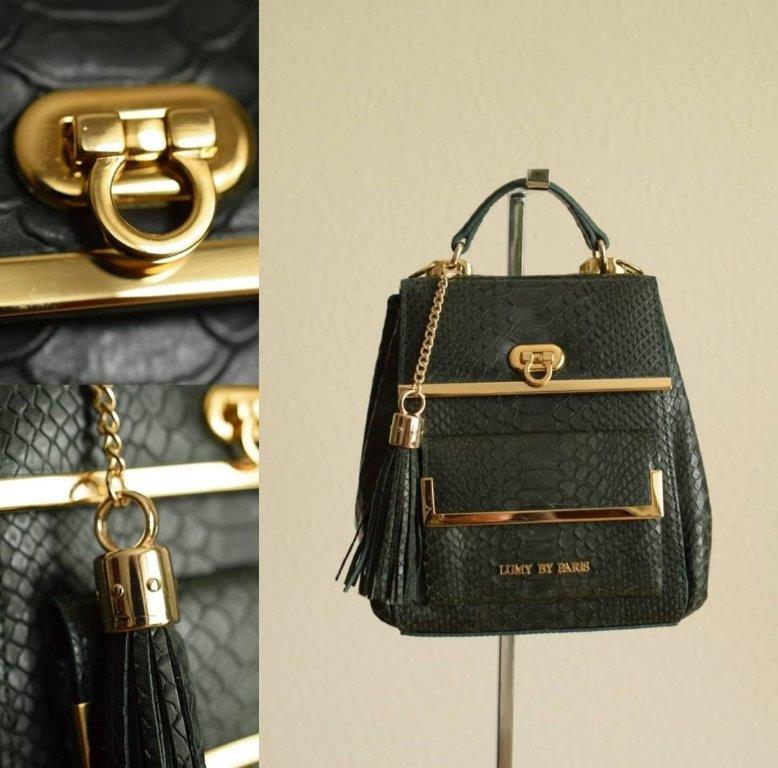
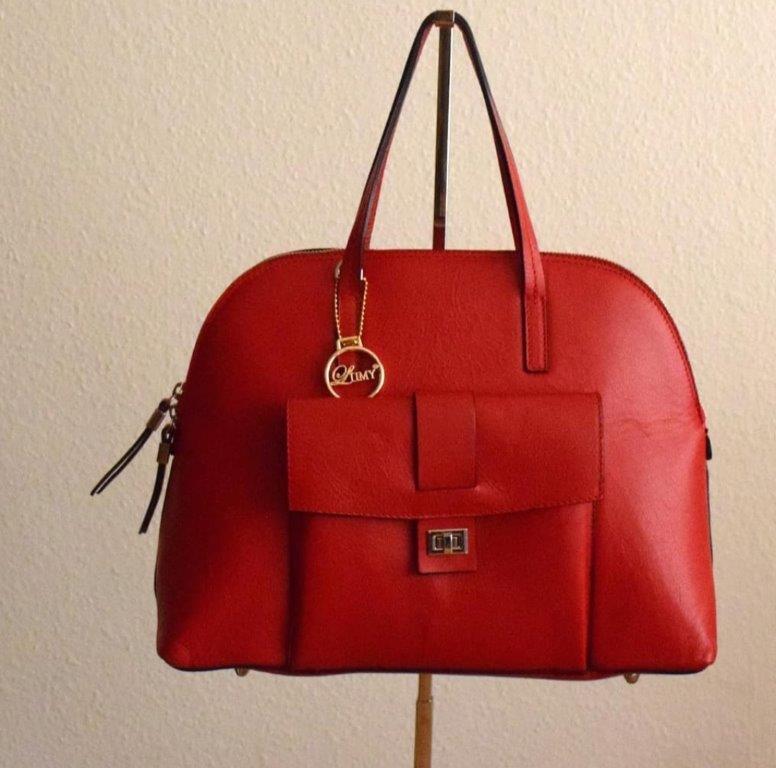
In conclusion, leather bags have traversed the sands of time, evolving from symbols of power and status to expressions of personal style and cultural heritage. Their journey through history reflects the ever-changing world and the enduring appeal of craftsmanship, making them a timeless fashion staple. At Nureteka we invite you to embrace the elegance and versatility of our Lumy by Paris leather bags, connecting with the rich tapestry of culture and history they represent.
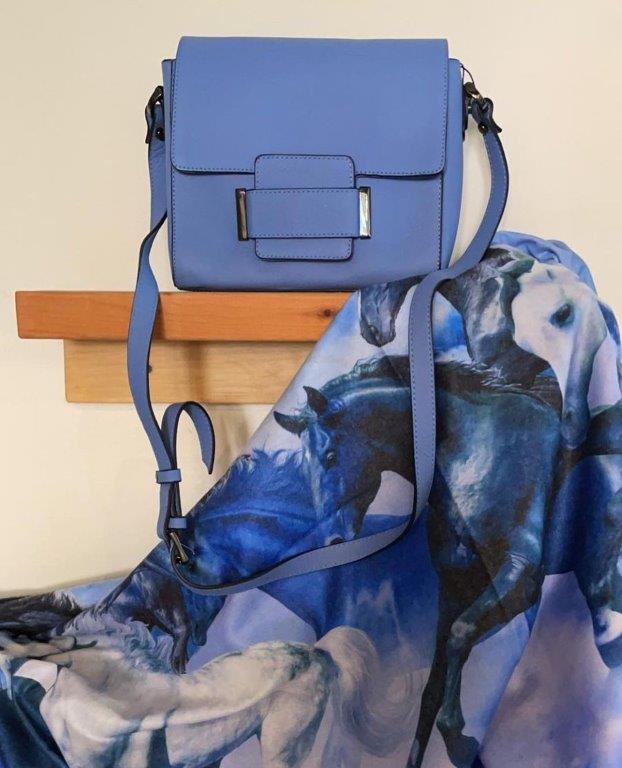
Our advice: dare to experiment, embrace color, and wear your confidence. Fashion is your canvas — and your bag is your signature. Mastering the skill of matching bags with outfits allows you to create a distinct fashion statement. Just remember that Nureteka is the Temple of Color!